Shibari
Japanese rope bondage art combining aesthetic beauty with restraint techniques.
How Kink Checklist members rate Shibari
190 members rated Shibari in their private checklist: 54% said yes or love it, 20% said maybe, and 26% said not for me or hard limit.
Anonymous totals from Kink Checklist ratings, November 2026. Shown only for activities with 30 or more ratings. See the most popular kinks.
Read the full Yes/No/Maybe list guide or browse all activities.
Interested in exploring Shibari with your partner?
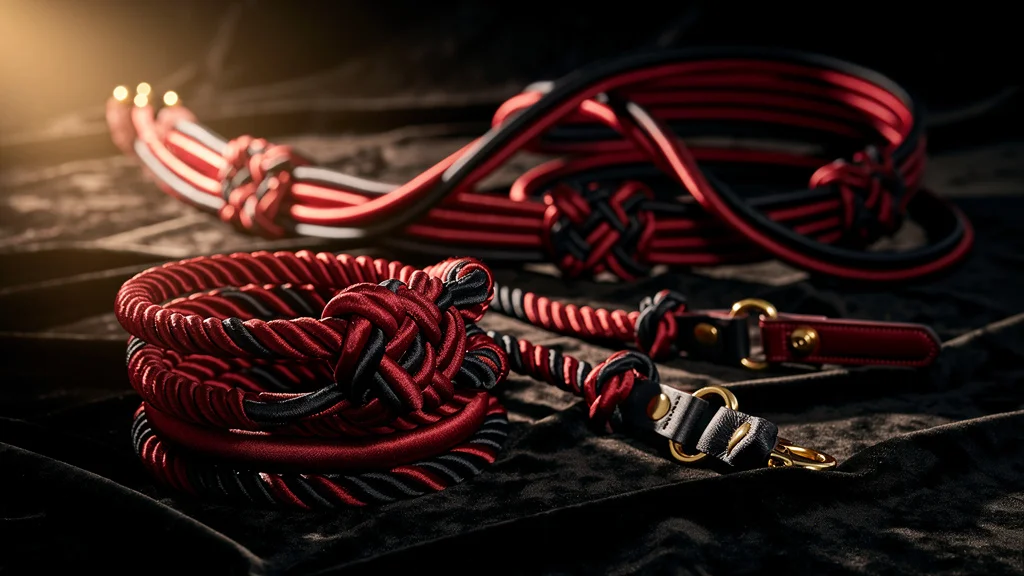
Start Your ChecklistShibari, the Japanese art of rope bondage, transforms simple rope into an expressive medium for intimacy, trust, and aesthetic beauty. Unlike Western bondage that often focuses purely on restraint, shibari weaves together the physical sensation of rope against skin with the emotional connection between partners, creating an experience that many describe as meditative and deeply bonding.
Whether you've admired intricate rope patterns in photography or felt curious about exploring restraint with a partner, understanding shibari opens doors to a practice that balances artistry with sensation. This guide covers the fundamentals of Japanese rope bondage, essential safety knowledge, and how to begin your journey into this centuries-old art form.
From the specific types of rope used to the philosophy behind each tie, you'll discover why shibari has captivated practitioners worldwide and how couples use it to deepen their connection through vulnerability and trust.
Beginner gear on Amazon
Matched picks for Shibari, plus one book worth reading first.
Pulselala Silky Shibari Rope Kit
Bondage
Soft, skin-friendly rope with whipped, non-fraying ends. Made for first rope ties.
View on Amazon →Sportsheets Beginners Bondage Fantasy Kit
Bondage
Four adjustable Velcro wrist/ankle cuffs with connector straps plus a blindfold. Easy on, easy off.
View on Amazon →The New Topping Book (Easton & Hardy)
Education
The essential guide to topping. Builds confidence, consent skills and technique.
View on Amazon →As an Amazon Associate, we earn from qualifying purchases at no extra cost to you.
How Shibari Works
Shibari operates on principles quite different from simply tying someone up. The practice emphasizes the journey over the destination—the process of wrapping rope around a partner's body becomes an intimate dance of communication, with each wrap and knot serving both aesthetic and functional purposes.
Techniques and Variations
Traditional shibari includes several foundational patterns that practitioners learn progressively:
- Single-column tie: The foundation of all shibari, used to secure rope around one limb or body part
- Two-column tie: Connects two limbs together, such as wrists or ankles
- Takate-kote (box tie): An upper body harness that positions arms behind the back
- Hip harness: Decorative and functional ties around the hips and thighs
- Chest harness: Wraps around the torso, often creating geometric patterns
Each pattern can be modified based on the bound partner's flexibility, the desired aesthetic, and the intended purpose—whether for photography, sensation play, or intimate connection.
Equipment and Tools
Quality materials significantly impact both safety and enjoyment:
- Rope: Natural fiber ropes (jute, hemp) are traditional and grip well. Synthetic options (nylon, MFP) work for beginners and are easier to clean.
- Length: Most practitioners use 7-8 meter lengths, with several pieces needed for full-body ties
- Safety shears: EMT scissors or rope-specific cutters for emergency release
- Rope bag: Proper storage keeps rope untangled and ready for use
Safety Considerations
Shibari carries real physical risks that require education and preparation. The beauty of the practice comes with responsibility—understanding safety transforms rope bondage from potentially dangerous to genuinely enriching.
Physical Safety
Nerve damage represents the most significant risk in rope bondage. Key safety practices include:
- Avoid nerve zones: The inner arm, outer upper arm, and backs of knees contain vulnerable nerves
- Monitor circulation: Check fingers and toes for color, temperature, and sensation every few minutes
- Two-finger rule: Ensure two fingers fit between rope and skin to prevent excessive pressure
- Time limits: Especially for beginners, keep ties on for shorter periods (15-20 minutes)
- Body positioning: Avoid hyperextension of joints and positions that restrict breathing
Emotional Safety
Being bound creates psychological vulnerability that requires care:
- Establish clear safewords before any session (red/yellow/green system works well)
- Check in verbally throughout the tying process
- Never leave a bound partner alone
- Plan for aftercare—physical comfort and emotional processing afterward
Red Flags
Stop immediately and safely release rope if you notice:
- Numbness, tingling, or "pins and needles" sensations
- Cold or discolored extremities
- Difficulty breathing or signs of panic
- Any request to stop from the bound partner
Beginner's Guide
Starting shibari requires patience and the right approach. Many newcomers want to recreate complex patterns they've seen online, but building foundational skills ensures both safety and eventual mastery.
Week 1-2: Learn on yourself first. Practice single-column ties on your own leg or a pillow. Focus on maintaining consistent tension and creating clean wraps. This builds muscle memory without risking a partner.
Week 3-4: Simple wrist and ankle ties. With a willing partner, practice basic restraints. Focus on communication—ask about comfort, check circulation, and practice untying smoothly.
Month 2: Introduce body harnesses. Begin with simple chest or hip wraps that don't involve vulnerable areas. Take your time; the process should be enjoyable, not rushed.
Resources for learning:
- In-person workshops provide invaluable hands-on feedback
- Books like "The Seductive Art of Japanese Bondage" by Midori
- Video tutorials from established educators (verify their safety credentials)
- Local rope communities often host beginner-friendly events
Most importantly, discuss interests and boundaries with your partner before touching the rope. Understanding each other's motivations and limits makes the practice meaningful.
Discussing with Your Partner
Introducing shibari requires honest conversation about desires, concerns, and boundaries. Begin by sharing what attracts you to the practice—is it the aesthetic aspect, the intimacy of the process, the sensation, or the power exchange elements?
Listen genuinely to your partner's response. They might share your curiosity, have reservations, or need time to consider. Respect whatever reaction arises.
If you both want to explore, discuss:
- Who feels comfortable in which role (some couples switch)
- Hard limits—positions or areas that are off-limits
- Safewords and check-in signals
- How you'll both learn (classes, books, videos)
Start with simple explorations and build complexity over time. Many couples find that the learning process itself—practicing ties, discussing what works—becomes an intimate journey of discovery.
Frequently Asked Questions
What type of rope is best for beginners?
Solid-braid nylon (MFP) rope in 6mm diameter offers a forgiving learning experience—it's soft, affordable, and easy to untie. As skills develop, many practitioners transition to jute or hemp for better grip and aesthetics.
How long does it take to learn shibari?
Basic ties can be learned in a few sessions, but developing skill takes months to years of practice. Most practitioners consider themselves perpetual students, always refining technique and exploring new patterns.
Is shibari always sexual?
Not necessarily. Many practice shibari as art, meditation, or simply for the tactile experience. The context and intention set by participants determine the nature of each session.
Can anyone be tied in shibari?
Most people can enjoy some form of rope bondage, though specific ties may need modification based on flexibility, body type, or health conditions. Open communication about physical limitations ensures everyone enjoys the experience safely.
What's the difference between shibari and kinbaku?
The terms are often used interchangeably, though some distinguish kinbaku as having explicit erotic intent while shibari refers to the technical art of tying. In practice, context determines meaning.
🛒 Recommended Gear
Note: Links below are affiliate links. We may earn a commission at no extra cost to you.
Discover What You Both Desire
Create your personal checklist and compare with your partner to find activities you'll both enjoy exploring together.
Get Started FreeNo credit card required